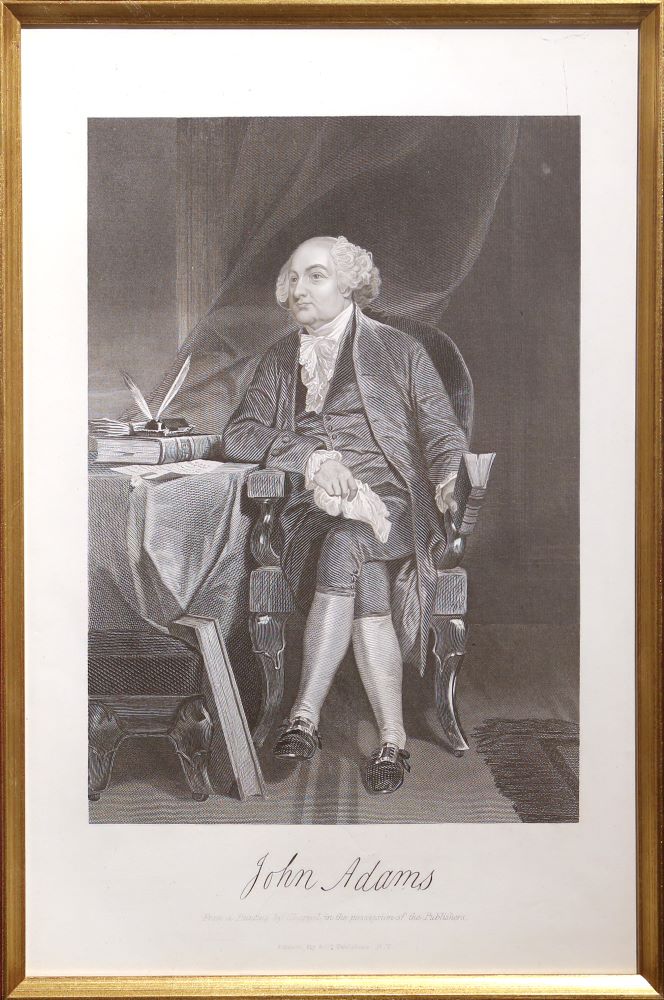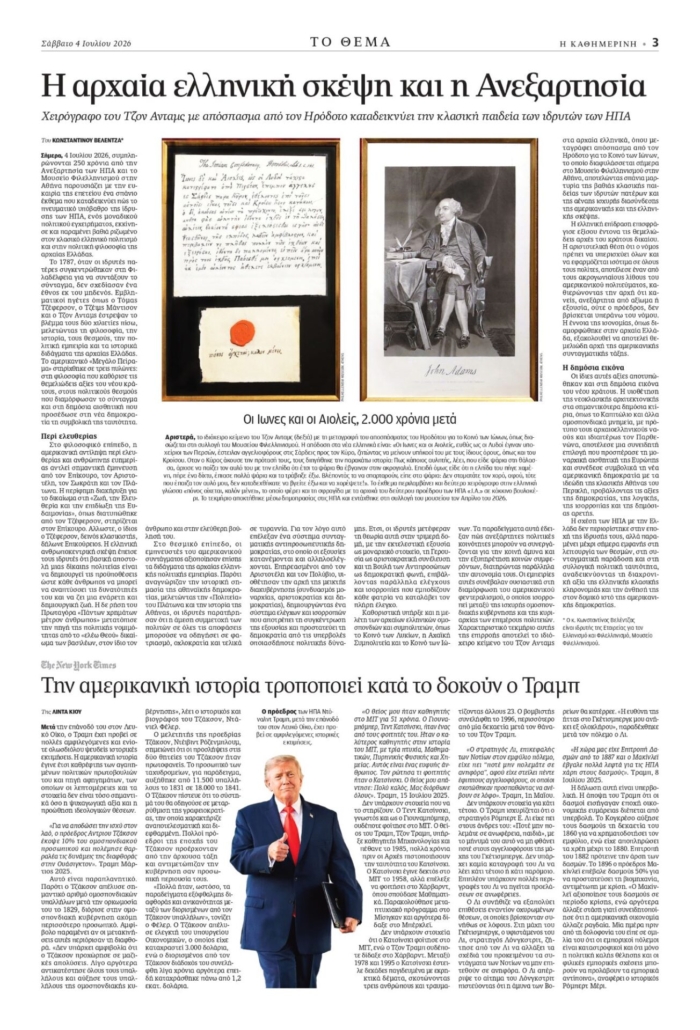
The intellectual foundation of the United States has been, since its inception, and remains deeply anchored in classical Greek culture and political philosophy. During the Constitutional Convention of 1787, when the Founding Fathers gathered in Philadelphia to draft the U.S. Constitution, they did not architect a nation from a blank slate. On the contrary, visionary leaders like Thomas Jefferson, James Madison, and John Adams looked back over two millennia to the thinkers, institutions, and historical precedents of ancient Greece. This classical legacy directly shaped the core values, political framework, and architectural identity of the nascent American Republic.
The American “Great Experiment”, was based on three key pillars, all of them profoundly influenced by ancient Greece: (a) Philosophy (Epicurean reason and human flourishing – Virtue), (b) Governance (mixed government and Federalism to prevent tyranny), (c) Architecture (civic identity and neoclassical state buildings).
Philosophical Foundations: Virtue and the Pursuit of Happiness
The moral justification for the American Revolution (1765-1789) derived heavily from ancient Greek humanism and ethics. When Thomas Jefferson penned the immortal phrase “Life, Liberty and the pursuit of Happiness” in the Declaration of Independence, he was operating within a deeply Greek philosophical framework. Jefferson, an avid classicist who could read ancient Greek fluently, explicitly declared himself an Epicurean.
Epicurus taught that a good life is achieved through the pursuit of tranquility, peace of mind (ataraxia), and the avoidance of emotional and physical pain. Additionally, Aristotle’s concept of eudaimonia, often translated as “human flourishing” or living a life of active virtue, convinced the Founders that the primary purpose of a just government was to foster conditions wherein citizens could genuinely thrive.
From Plato and Socrates, the Founders assimilated the absolute necessity of civic virtue and individual liberty. They believed that a free society could not endure without an educated, moral citizenry willing to subordinate private interests to the common good. Greek humanism, as epitomized by Protagoras’s maxim that “man is the measure of all things”, shifted the source of political legitimacy away from the divine right of kings and placed it firmly into human hands.
Institutional Engineering: Structuring the Representative Democracy
While the Founders admired Greek intellectual rigor, their implementation of Greek political structures was executed in a highly selective and analytical way.
The word “democracy” originates from the Greek demokratia (power to the people). However, the Founders viewed the historical model of Athenian direct democracy, where citizens voted directly on every piece of legislation, as inherently dangerous. They turned to Plato’s Republic and historical accounts of Athens to analyze how unchecked direct democracies frequently collapsed into factionalism, mob rule, and eventually, tyranny. To prevent this “tyranny of the majority”, the Founders rejected a pure democracy in favor of a constitutional representative republic, utilizing elective representation to filter and temper public passions.
In order to achieve long-term institutional stability, the Founders relied heavily on the ancient Greek theory of mixed government and the separation of powers. Aristotle and later Greek historians like Polybius, argued that the ideal state should combine elements of monarchy (the rule of one), aristocracy (the rule of the few), and democracy (the rule of the many), to maintain societal forces in balance. The Founders directly translated and transposed this Greek theory into the tripartite structure of the United States government. The independent Executive Branch mirrored the monarchical element, the U.S. Senate served as the aristocratic assembly, and the House of Representatives functioned as the democratic voice of the general populace. This architectural system of checks and balances ensured that no single faction could seize total control.
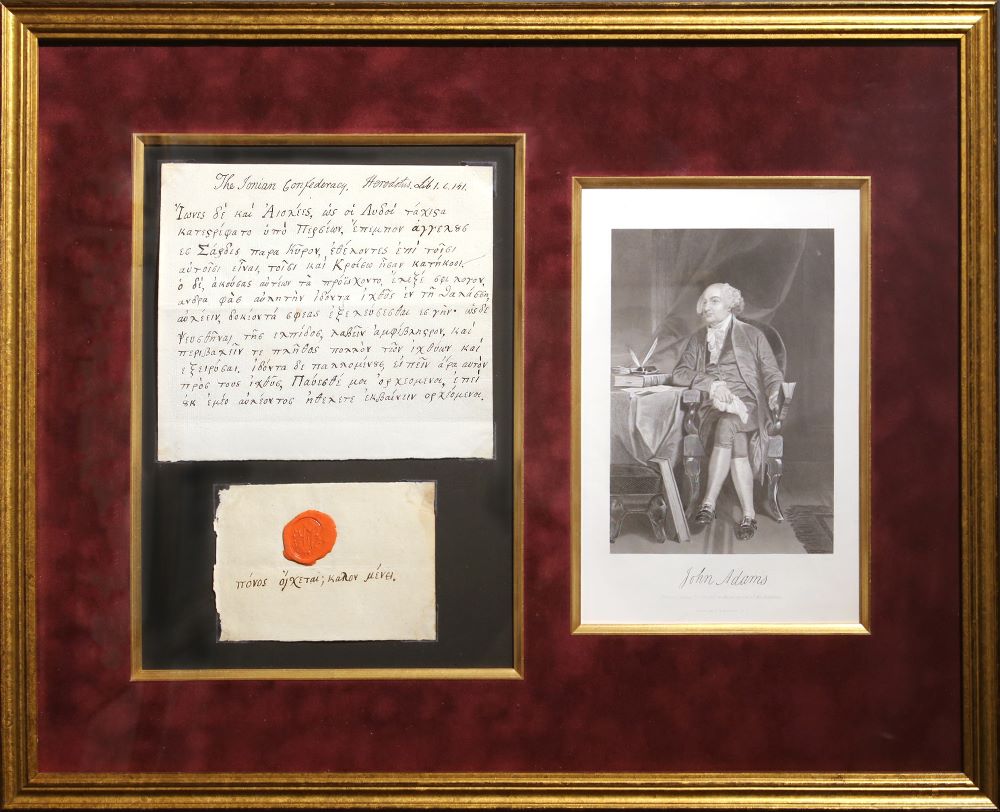
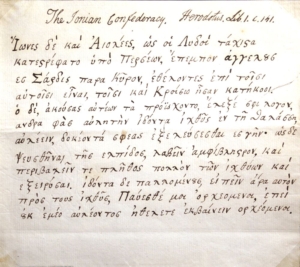
During the drafting of the Constitution, James Madison and Alexander Hamilton rigorously studied ancient Greek federal alliances, such as the Lycian League and the Achaean League, to support the necessity for federalism. John Adams closely examined the Ionian Confederacy. In the Federalist Papers, the Founding Fathers analyzed how these ancient networks of independent city-states pooled their resources for mutual defense while maintaining their internal autonomy. This historical exemplar provided a structural benchmark for the American model of federalism, balancing centralized national authority with individual state sovereignty.
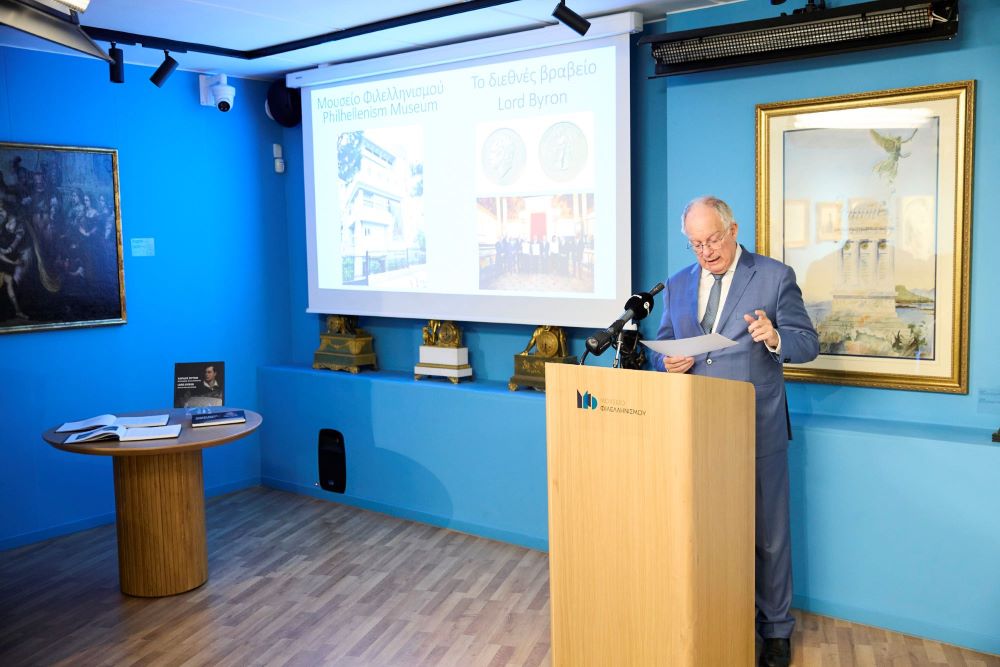
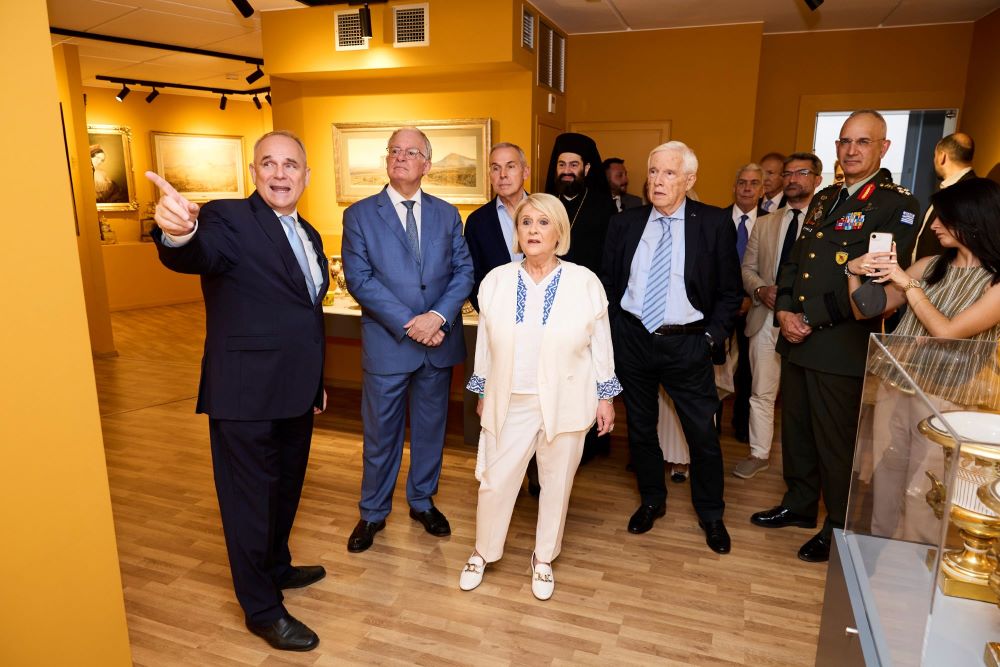
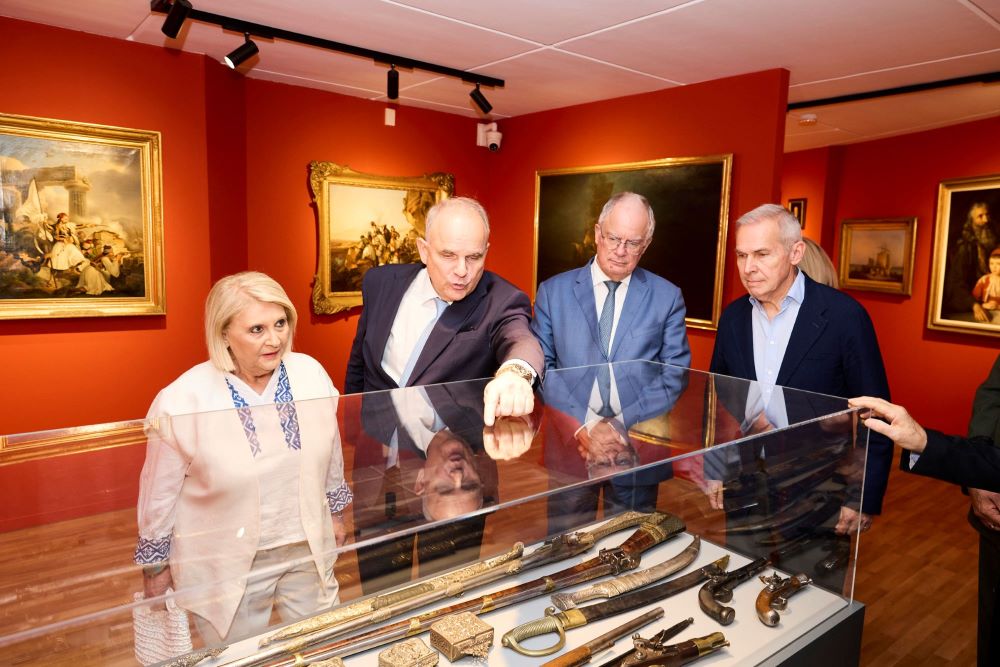
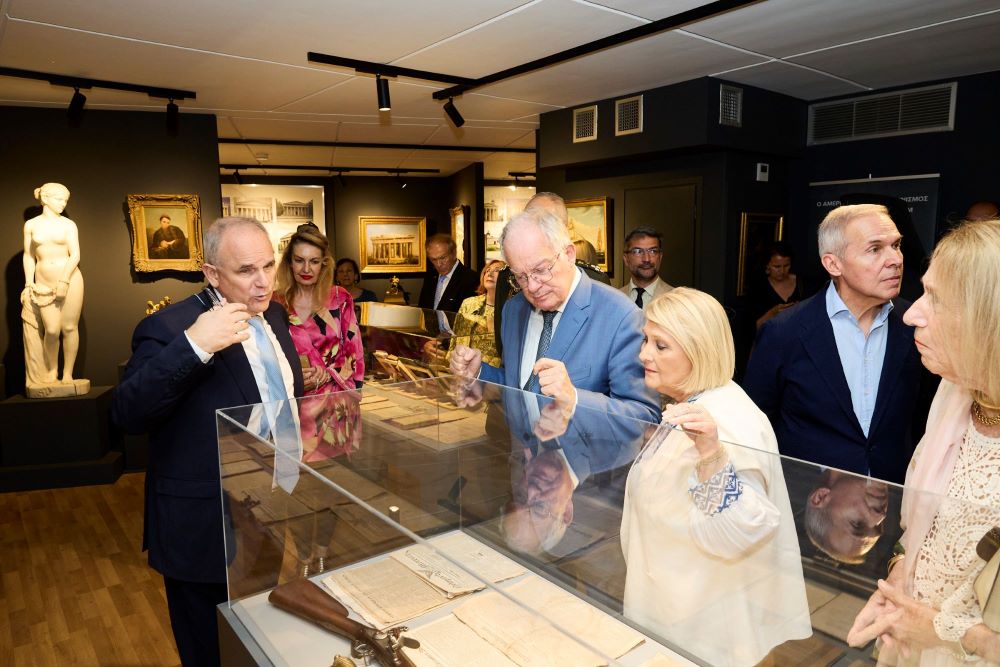
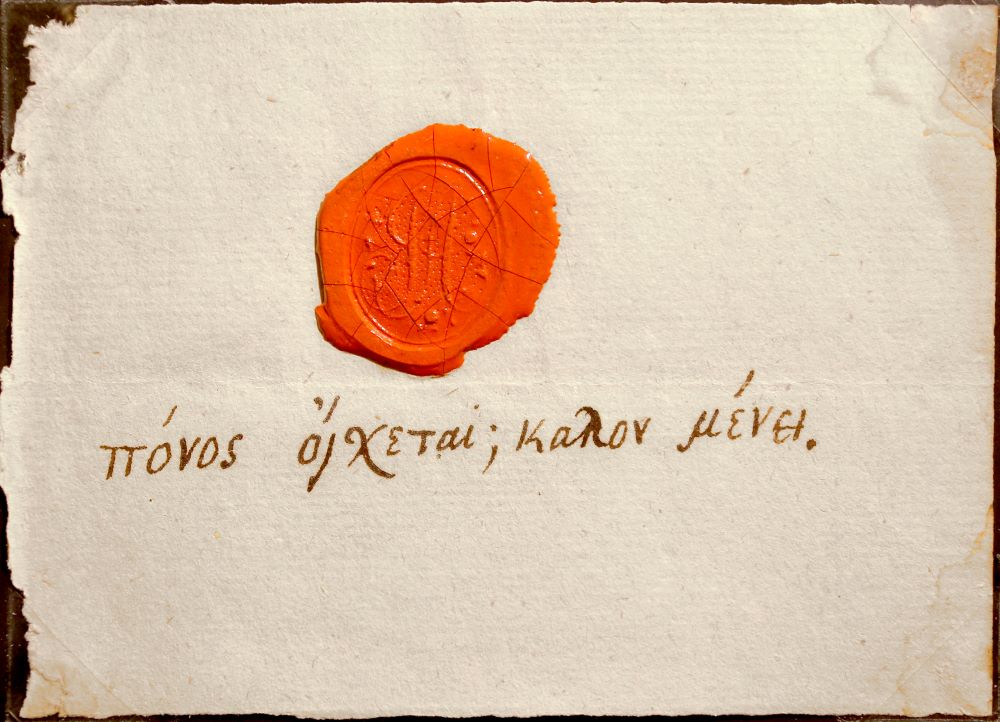
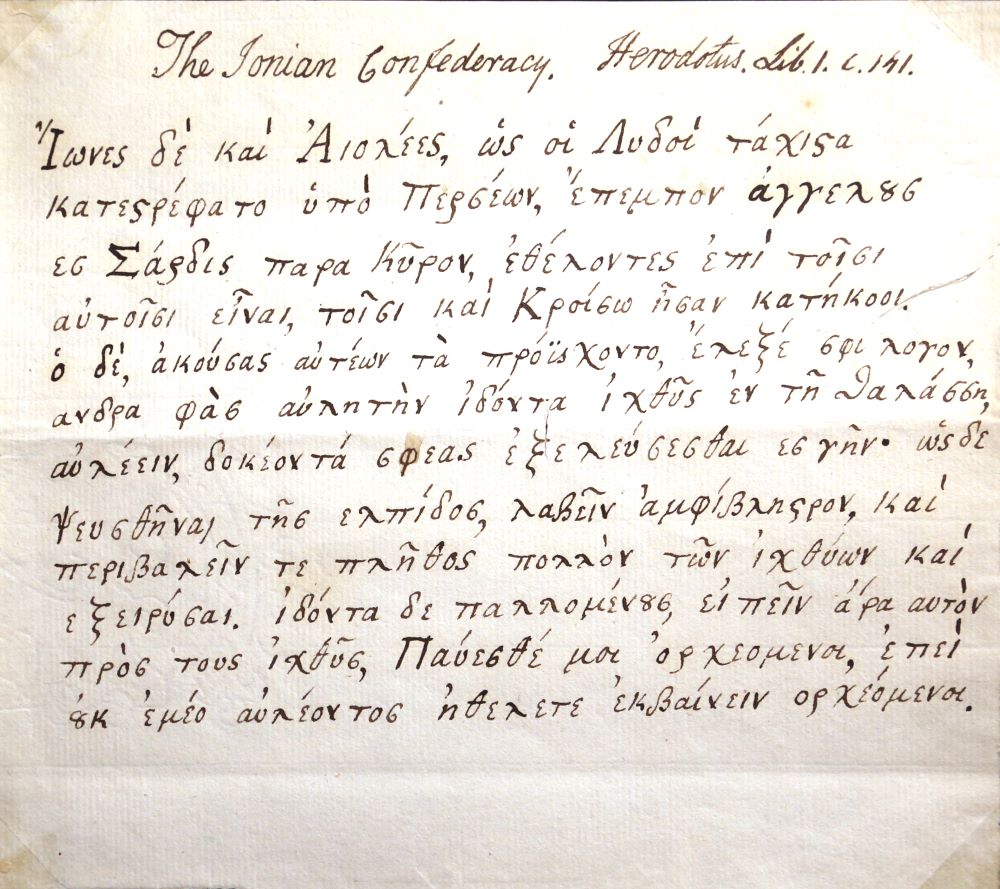
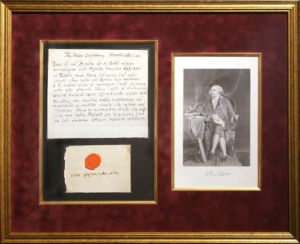
The Philhellenism Museum in Athens preserves a rare archival document, written by John Adams himself in ancient Greek, which substantiates the above insights. This manuscript contains an excerpt from Herodotus, known as the “Father of History”, regarding the Ionian Confederacy.
Adams referred to the case of the twelve city-states of Ionia, which were defeated by the Persians because despite the existence of the confederacy (Koinon), the individual interests of each city took precedence over the common interest of the Ionians, with the result that the Confederacy was unable to establish a unified defense against the Persians. Like most of the Founding Fathers, John Adams was deeply steeped in classical education, having been taught ancient Greek and Latin at an early age. Subsequently, through his classical studies at Harvard, he achieved genuine language mastery, which enabled him to read and translate complex classical texts from the original. In this specific manuscript, John Adams penned twelve lines in ancient Greek, concerning the Ionian Confederacy, transcribed from Herodotus’s history of the Persian Wars, Book 1, Chapter 141.
Manuscripts written by United States Presidents in any language other than English are exceedingly rare, and it is a distinct honor that such a significant historical document is preserved in Greece, and it is a profound privilege for the Philhellenism Museum to house an exhibit of such historical magnitude.
Structural Elements: The Rule of Law and Civic Aesthetics
The influence of Greek civilization extended far beyond theoretical concepts and left an indelible mark on both the legal principles and the civic landscape of the United States.
Central to both ancient Athenian governance and the American legal tradition is the foundational concept of the Rule of Law. Aristotle famously declared that “the law should govern”, emphasizing that laws must apply equally to all citizens, regardless of wealth or social standing. This Greek principle of equality before the law (isonomia) became the cornerstone of American jurisprudence. It established that no individual, including the President, stands above the legal framework of the country.
The Founding Fathers intended for the civic landscape of the young nation to visibly reflect its philosophical values, ensuring that the nation’s political ideology was visually projected onto its civic architecture. Led by Thomas Jefferson’s architectural vision, the United States consciously adopted Neoclassical architecture for its civic buildings and spaces. Government structures, most notably the U.S. Capitol and federal monuments, were designed incorporating the distinct columns, pediments, and symmetrical proportions of classical Greek temples, such as the Parthenon. This deliberate aesthetic choice was intended to reject the ornate, monarchical architecture of Europe and visually anchor the new republic to the democratic ideals of ancient Greece. The Founding Fathers embraced the ancient Greek aesthetics and the classical architecture of Pericles’ democratic Athens to visually and symbolically link the United States of America to great public buildings, and evoke the ideals that guided the nation’s Founders as they framed their new republic and shaped their new democracy.
In conclusion, the United States of America was conceived by its Founders as a “great experiment” in self-governance. By synthesizing ancient Greek political theory, ethics, and federal models (Koinon/Confederacy), the Founding Fathers constructed a resilient institutional framework designed to withstand the systemic vulnerabilities that ultimately doomed the ancient city-states. Through the separation of powers, the rule of law, and the constitutional protection of human flourishing, the classical legacy and heritage of ancient “Hellas” (Greece) remains deeply woven into the fabric of American democracy.
Constantinos Velentzas
President
Society for Hellenism and Philhellenism
Philhellenism Museum
You may read the published article in “Kathimerini” either in the attached images below or by clicking the link: https://www.ekathimerini.com/opinion/1308564/how-ancient-greek-culture-shaped-the-founding-of-the-usa/
For information: info@phmus.org