*Under the auspices of H.E. the President of the Hellenic Republic Mr. Konstantinos An. Tassoulas
*In collaboration with the Hellenic Parliament
Date: 10 October 2025
Hours: 09:00 – 19:00
Venue: Auditorium Theo Angelopoulos – French Institute in Greece – 31, Sina Str., Athens
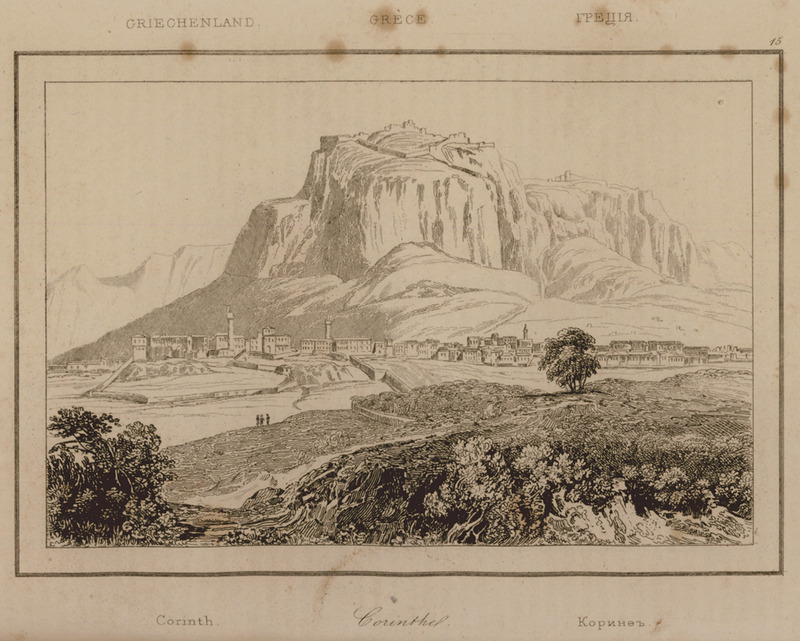
The French Institute in Greece (Institut Français de Grèce), the French School of Athens and the Institute of Historical Research of the National Hellenic Research Foundation are organising, with the participation of the Publishing House Anavasi, on Friday 10 October 2025, a conference on the topic of the “French Scientific Mission of Morea”, which took place in the Peloponnese in 1829.
Almost 200 years since this significant Mission, the conference is aiming to commemorate and comment on the important work that was accomplished, to explore the scientific imprint of the work and the ways in which it influenced the subsequent interdisciplinary and iterative approaches to the field.
This conference will be the first in a series of actions that will be completed in 2029.
Scientific and Organising Committee
– Matthieu Abgrall, Educational Attaché for Scientific and University Cooperation, Deputy Director of the French Institute in Greece
– Véronique Chankowski, Director of the French School of Athens
– Gilles de Rapper, Director of the Department of Modern and Contemporary Studies of the French School of Athens
– Ourania Policandrioti, Director of Research, Institute of Historical Research / National Hellenic Research Foundation, Coordinator of the Modern Greek Research Sector – IHR/NHRF
– George Tolias, Professor, École Pratique des Hautes Études, Paris – former Director of Research, Institute of Historical Research / National Hellenic Research Foundation
– Yannis Saitas, Architect, Urban Planner, Ethnologist. Research, design, editing of the publication “The Work of the French Scientific Mission of Morea 1829-1838, Part A”, 2011 and Part B”, 2017, published by Melissa House”.
– Katerina Spiropoulou, Deputy Cultural Attaché for scientific and university cooperation, French Institute in Greece
– Ivi Adamakopoulou, Anavasi Publications
The French Scientific Mission of Morea
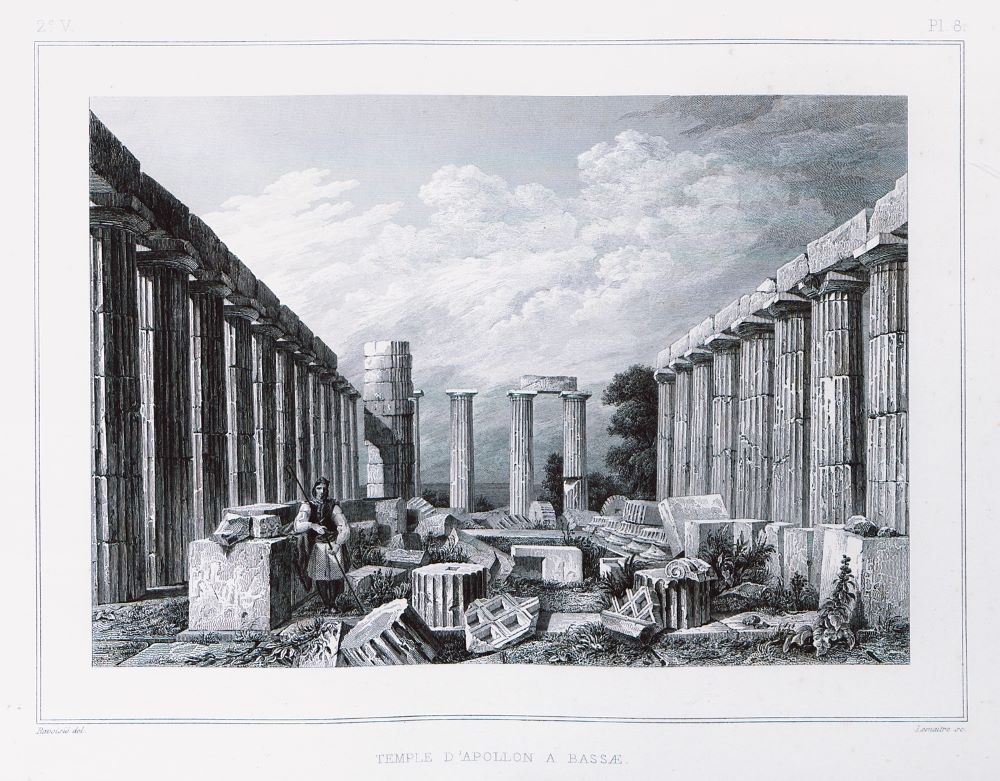
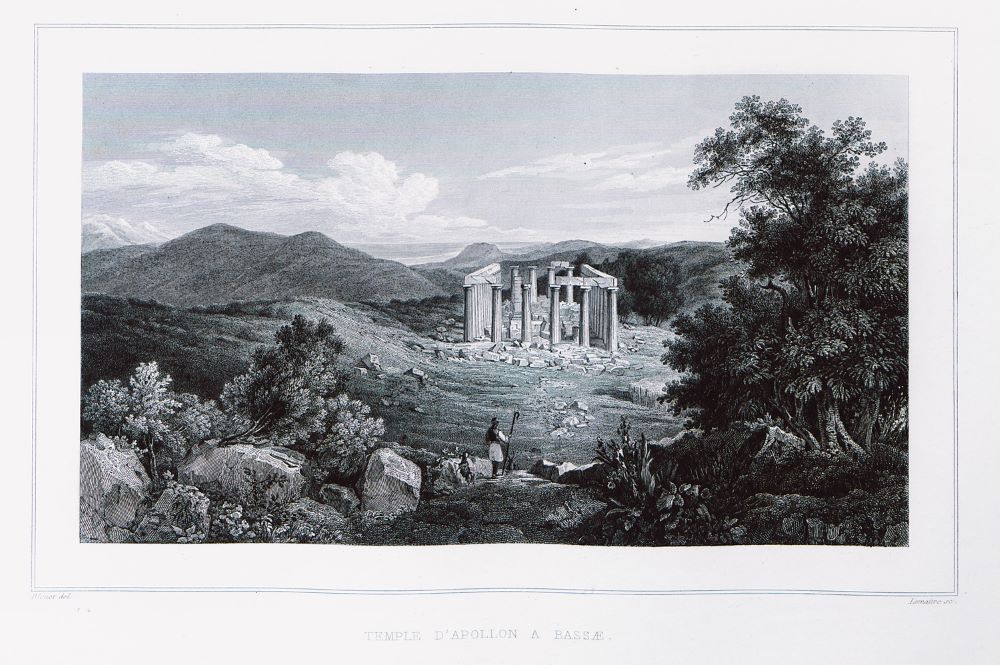
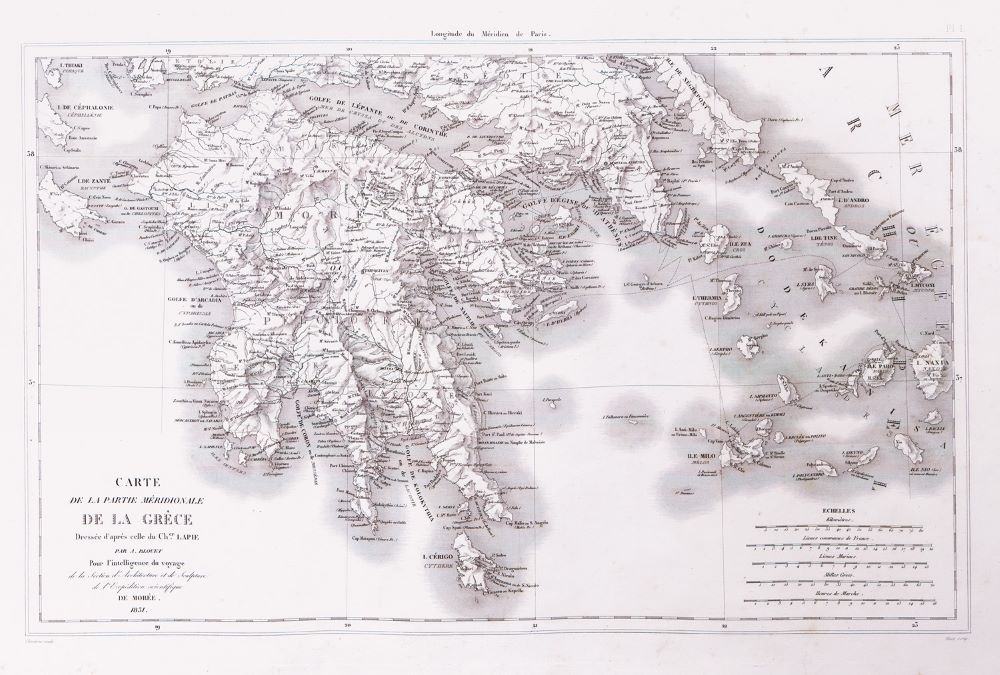
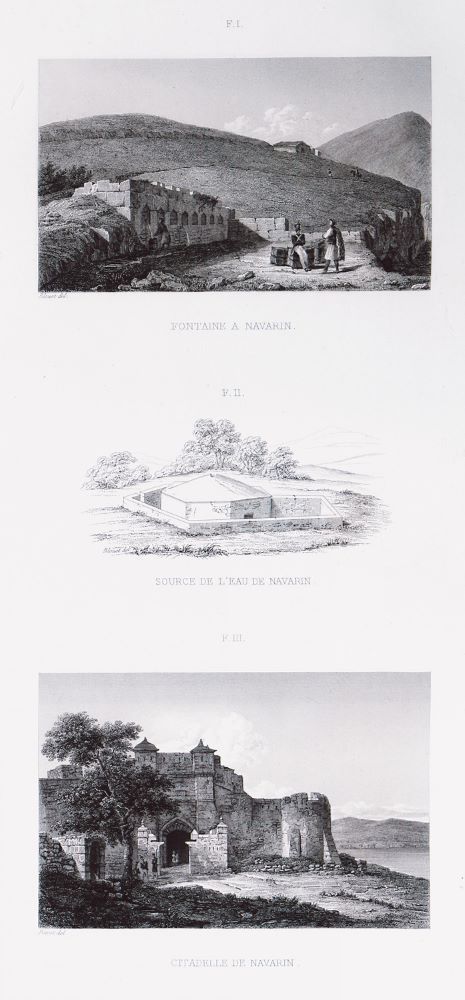
On March 3, 1829, twenty French scientists, geographers, naturalists, architects and Hellenistic scholars, at the request of Governor Capodistrias, landed in Navarino, which had just been liberated by Ibrahim’s troops (1827) and the French military expedition under General Maison (1828), in order to explore Greece. Their aim was, on the one hand, to gain an in-depth understanding of the nature and culture of Greece and, on the other hand, to offer the Greek administration modern management and development tools. French scientists explored mainly the Peloponnese, but also the Cyclades and Attica. They mapped the area and collected data on the demography, natural resources and infrastructure, nature and antiquities of the fledgling Greek state.
The French Scientific Mission of Morea (also referred as “Morea Expedition”) consisted of three Departments of specialists in natural sciences, archaeology and fine arts and a Topographic Company of 25 army engineers. The findings of the work were published in maps and in 8 imposing volumes between 1831 and 1838, which are accompanied by significant pictorial and cartographic documentation.
The significance of the Mission is manifold. It offers a complete and thorough depiction of the Peloponnese and other regions just after the Revolution, which is an example of the scientific methodology of the era and the emergence of new sciences and cutting-edge technologies, which is an example of the scientific methodology of the era and the emergence of new sciences and cutting-edge technologies, such as statistical demography and geodesy, the interpretation of geological formations and the network of water resources, the excavation and topographic documentation of monuments, the inventory of minerals, fauna and flora.
Upon completion of the activities on the 200th anniversary of the Mission, we want to believe that we will have covered all aspects of its scientific work and will have highlighted its current impact and continuity.
CONFERENCE PROGRAMME
│ 09:00 – 10:00 │
OPENING – GREETING REMARKS
 Embassy of France in Greece, French School of Athens, National Hellenic Research Foundation
INTRODUCTION
The publication “The Work of the French Scientific Mission to Morea 1829-1838, Part A, 2011 and Part B, 2017, published by Melissa House”.
Yannis SAITAS (Architect, Urban Planner, Ethnologist)
│ 10:00 – 11:30 │ FIRST SESSION – THE CARTOGRAPHIC WORK
Moderator: Matthieu ABGRALL (Associate for scientific and university cooperation, Deputy Director of the French Institute in Greece)
The geodetic works of Moreas (1829-1830) as a foundation for cartography
Pierre BRIOLE, (CNRS Research Director, Ecole Normale Supérieure Paris)
Geographies of the possible: society, environment and national identity in the work of the Morea Scientific Mission (1829)
George TOLIAS (Professor, École Pratique des Hautes Études, Former Director of Research, Institute of Historical Research – National Research Foundation)
Digital reconstruction of the cartographic work of the French Scientific Mission
Eleni GKADOLOU (Digital Asset Manager, British School of Athens, Doctor of Geography, Agronomist and Surveyor Engineer)
The map of the French Scientific Mission as evidence for the study of the settlements and population of the Peloponnese during the period of the Revolution: research results and future prospects
Michalis FESTAS (Postdoctoral researcher at the Institute of Historical Research (IHR) of the National Hellenic Research Foundation (NHRF), member of the Digital Historical Cartography Laboratory of the IHR/NHRF)
│ 12:00 – 13:30 │ SECOND SESSION – LIFE AND EARTH SCIENCES
Moderator: Gilles DE RAPPER (Director of Studies – Department of Modern and Contemporary Studies)
The Botanical Mission to the Peloponnese
Sophia RHIZOPOULOU (Professor Emeritus of Plant Ecophysiology, Department of Biology, Section of Botany, National and Kapodistrian University of Athens, Head of the KEDIVIM “Cultural Botany” programme)
The Morea Scientific Mission: the origins of the geoarchaeological approach
Eric FOUACHE (Professor, Sorbonne Université – UR Médiations)
and Antoine CHABROL (Doctoral Candidate, Sorbonne Université -UR Médiations)
The Morea Mission in the Plantarium of the National Museum of Natural History in Paris
Clémence PAGNOUX (Associate Professor at the National Museum of Natural History, BioArch UMR 7209 MNHN CNRS Inrap, Paris)
│ 15:00 – 17:00 │ THIRD SESSION – HISTORY AND ARCHAEOLOGY
Moderator: Ourania POLYCANDRIOTI (Director of Research, Institute of Historical Research / National Hellenic Research Foundation)
Letters, press, books, for the love of Greece. Ambroise Firmin-Dido and the Scientific Mission of the Morea.
Emmanuelle COLLAS (Historian, Doctor of Philology and Associate Professor of Greek History, publisher)
A different scientific mission of Morea: the “humble” Viety discovers the Peloponnese
Clémence WEBER-PALLEZ (Associate Professor of Greek History, Laboratoire PLH – Université Toulouse 2 Jean Jaurès)
Raybaud’s journalistic adventure in Greece
Vincent TOUZE (Doctor of Political Science, Graduate of Higher Studies in Public Administration)
│ 17:00 – 18:30 │ FOURTH SESSION – FROM PAST TO PRESENT. THE EVOLUTION OF CARTOGRAPHY IN THE 21ST CENTURY
Moderator: Pinelopi MATSOUKA (Anavasi Publications)
Geoinformatics and applications for the future of cartography
Angelos ADAMAKOPOULOS (Creator IGN RANDO App)
Map reading modeling
Vassilis KRASSANAKIS (Associate Professor, University of West Attica, PhD in Engineering, NTUA, Diploma in Agronomy and Surveying Engineer, NTUA)
Challenges in Future Cartography: Artificial Intelligence and Big Geospatial Data
Christos CHALKIAS (Professor, Harokopio University of Athens)
CATALOGUE OF PARTICIPANTS
– Matthieu ABGRALL (Associate for scientific and university cooperation, Deputy Director of the French Institute in Greece)
– Angelos ADAMAKOPOULOS (Creator IGN RANDO App)
– Ivi ADAMAKOPOULOU (Anavasi Publications)
– Pierre BRIOLE (CNRS Research Director, Ecole Normale Supérieure Paris)
– Antoine CHABROL (Doctoral Candidate, Sorbonne Université -UR Médiations)
– Christos CHALKIAS (Professor, Harokopio University of Athens)
– Emmanuelle COLLAS (Historian, Doctor of Philology and Associate Professor of Greek History, publisher)
– Michalis FESTAS (Postdoctoral researcher at the Institute of Historical Research (IHR) of the National Hellenic Research Foundation (NHRF), member of the Digital Historical Cartography Laboratory of the IHR/NHRF)
– Eric FOUACHE (Professor, Sorbonne Université – UR Médiations)
– Eleni GKADOLOU (Digital Asset Manager, British School of Athens, Doctor of Geography, Agronomist and Surveyor Engineer)
– Vassilis KRASSANAKIS (Associate Professor, University of West Attica, PhD in Engineering, NTUA, Diploma in Agronomy and Surveying Engineer, NTUA)
– Pinelopi MATSOUKA (Anavasi Publications)
– Clémence PAGNOUX (Associate Professor at the National Museum of Natural History, BioArch UMR 7209 MNHN CNRS Inrap, Paris)
– Ourania POLYCANDRIOTI (Director of Research, Institute of Historical Research / National Hellenic Research Foundation)
– Gilles DE RAPPER (Director of Studies – Department of Modern and Contemporary Studies)
– Sophia RHIZOPOULOU ((Professor Emeritus of Plant Ecophysiology, Department of Biology, Section of Botany, National and Kapodistrian University of Athens, Head of the KEDIVIM “Cultural Botany” programme)
– Yannis SAITAS (Architect, Urban Planner, Ethnologist)
– George TOLIAS (Professor, École Pratique des Hautes Études, Former Director of Research, Institute of Historical Research – National Research Foundation)
– Vincent TOUZE (Doctor of Political Science, Graduate of Higher Studies in Public Administration)
– Clémence WEBER-PALLEZ (Associate Professor of Greek History, Laboratoire PLH -Université Toulouse 2 Jean Jaurès)
More information: https://www.ifg.gr/events/imerida-galliki-epistimoniki-apostoli-tou-moria/
© Travelogues – Aikaterini Laskaridis Foundation │ Fondation Aikaterini Laskaridis